Dangerous Tree Assessment and Removal: Protecting Property From Tree Failure
A tree can stand for decades without drawing much attention, then fail in a single windy afternoon and leave a homeowner staring at a crushed fence, a torn roof, or a blocked driveway. That is the hard reality behind dangerous tree assessment and removal. Most hazardous trees do not advertise the exact day they will come down, but many do show warning signs long before failure. The challenge is knowing which defects matter, which can be managed, and which require prompt action.
Property owners often assume a tree is either healthy or dead, safe or dangerous. In practice, the judgment is rarely that simple. I have seen large oaks with hollow sections remain stable for years because the remaining wood was strong and the canopy was well balanced. I have also seen apparently green, leafy trees shear apart at the trunk because internal decay had advanced unnoticed. Leaves alone do not tell the story. Structure, site conditions, species behavior, previous pruning cuts, soil disturbance, and recent weather all matter.
When risk is high, the right response can range from careful monitoring to Tree Pruning & Crown Shaping, Tree Cable and Bracing, or complete Tree Removal Services. The goal is not to remove every imperfect tree. It is to reduce the chance of preventable failure while preserving healthy trees whenever that can be done responsibly.
What makes a tree dangerous
A dangerous tree is not simply one with a defect. Risk comes from the combination of three things: the likelihood of failure, the size of the part that could fail, and the target beneath or beside it. A decayed limb over a woodland trail may deserve attention, but the same limb hanging over a child’s bedroom or a parked vehicle carries a very different level of urgency.
That distinction matters because trees are living structures, not utility poles. They respond to stress, compartmentalize injury, and shift load through the crown and trunk. A crack in one species may be a severe red flag. In another setting, the tree may compensate adequately for a time. Good assessment depends on reading the whole tree in context.
Root problems are among the most underestimated hazards. Homeowners tend to focus on what they can see above ground, yet many catastrophic failures begin below the soil line. Root severance from trenching, grade changes, chronic saturation, compaction from vehicles, or fungal decay can all reduce anchorage. A tree with a full canopy and seemingly sound trunk can still uproot if the root plate is compromised. After heavy rain, that risk rises quickly, especially in shallow-rooted species or trees growing in restricted urban soils.
Trunk defects are the next major category. Deep cavities, seams, included bark, conks from decay fungi, and active cracks deserve careful evaluation. Not every cavity is a removal case, but no cavity should be dismissed casually. The key question is how much sound wood remains and where the defect sits in relation to load-bearing areas. A narrow strip of healthy wood supporting a broad, heavy canopy may not be enough.
Crown defects often appear first to the untrained eye. Dead tops, hanging limbs, overextended lateral branches, and poor branch attachment can all signal elevated risk. Codominant stems with included bark are especially common in residential landscapes. They may look symmetrical and attractive, but the attachment between the stems can be weak from the start. Over years, as each stem gains weight, that union can split without much warning.
The signs property owners should never ignore
Several conditions warrant a timely inspection, especially when people, buildings, or access routes are nearby.
- Fresh cracks in the trunk or large scaffold limbs
- Soil heaving or lifting near the base, especially after wind or rain
- Large dead branches in the upper canopy
- Mushrooms or fungal conks at the root flare or trunk base
- A sudden lean, or a long-standing lean that has recently worsened
Those signs do not automatically mean immediate removal, but they do justify a prompt Certified Arborist Consultation. Time matters. A crack that opened after last night’s storm is different from an old seam that has callused for years. Soil heaving at the base can mean the root plate has already started to fail. A dead branch over a patio may be manageable with targeted pruning, while widespread canopy dieback paired with base decay may point toward full removal.
One detail many people miss is change. A tree that has looked the same for twenty years and then suddenly thins out, drops bark, or begins shedding large limbs is telling you something. Trees usually decline over time, but the visible symptoms can arrive in bursts. By the time a property owner notices a problem, the underlying issue may have been developing for several seasons.
Why storm damage is only part of the story
Storms get blamed for many tree failures, and fairly often they should. High winds, saturated soils, ice loading, and lightning can all push a compromised tree past its limit. Still, weather is usually the trigger, not the root cause. In many cases, the tree had an existing structural weakness long before the storm arrived.
A classic example is the large limb that fails during moderate wind. People say the branch snapped because of the storm, but closer inspection reveals included bark, old topping cuts, and interior decay around a previous wound. The wind simply exposed a problem that had been ignored. The same pattern shows up after wet winters. A tree uproots in a spring storm, but excavation later reveals cut roots from a patio installation three years earlier.
That is why Emergency Tree Services are only one piece of responsible tree risk management. Emergency response is essential after a tree or limb has already failed, when access is blocked, a home has been struck, or a hanging branch threatens immediate harm. The better Tree Removal Services strategy is to identify vulnerable trees before emergency conditions develop.
How a professional assessment actually works
A sound evaluation starts from the ground and works outward. An arborist typically looks first at the site itself: soil grade, drainage, recent construction, target areas, and exposure to wind. Then comes the root flare, trunk, branch structure, and canopy condition. Species characteristics matter throughout. Some trees tolerate pruning and compartmentalize decay well. Others are more brittle, decay faster, or root poorly in confined sites.
The assessment usually involves visual inspection first, supported by basic tools such as a mallet, probe, binoculars, or sounding techniques. More advanced diagnostics may be appropriate in select cases, but a skilled visual assessment already reveals a great deal when done carefully. The arborist is not just checking whether the tree is alive. The real question is whether the defects present are likely to lead to failure within a meaningful timeframe.
Targets have to be part of that conversation. A declining pine at the edge of a large rural lot presents one type of risk. The same pine leaning over a garage, service line, and play area is another matter entirely. Hazard rating is never just about tree condition in isolation.
A thorough visit should also include options, not just a verdict. In many cases, Dangerous Tree Assessment and Removal leads to a menu of choices. The tree may be a removal candidate. It may also be a candidate for reduction pruning, weight redistribution, crown cleaning, cable support, exclusion of targets, or scheduled reinspection. Judgment is what separates competent Tree service arboriculture from indiscriminate cutting.
When pruning can reduce risk, and when it cannot
Tree Pruning & Crown Shaping can significantly lower the chance of branch failure when done with a structural objective. Removing deadwood, shortening overextended limbs, reducing end weight on heavy laterals, and correcting selected defects in younger trees can all improve resilience. Pruning can also reduce sail effect in some crowns, though this must be done thoughtfully. Over-thinning often backfires by stressing the tree and encouraging weak regrowth.
I have seen homeowners ask for aggressive canopy thinning on mature shade trees because they believe “less top means less risk.” Sometimes that instinct causes more trouble than it solves. Large interior cuts can create decay pockets, sunscald, and poorly attached sprouts. A tree that was mildly flawed can become more hazardous after bad pruning.
Pruning has limits. It cannot restore decayed roots, repair a splitting trunk union, or reverse widespread structural compromise. If a tree has severe basal decay or a major crack extending through the attachment of codominant stems, reduction alone may buy very little safety. In those situations, removing the load does not remove the underlying instability enough to justify keeping the tree in place.
The standard to aim for is proportionate intervention. If selective pruning can reduce risk to an acceptable level without disfiguring or weakening the tree, that is often the best outcome. If it cannot, removal is the more honest recommendation.
Cable systems and bracing, useful tools with clear boundaries
Tree Cable and Bracing can help preserve valuable trees with specific structural weaknesses, especially when the defect is well understood and the tree is otherwise in fair condition. Cables are commonly installed high in the crown between stems or major branches to limit excessive movement. Bracing rods may be used in certain trunk or union defects to reinforce split-prone sections.
These systems are not magic fixes. They do not make a bad tree safe forever, and they are not substitutes for inspection. They work best when installed for the right reasons, paired with corrective pruning, and checked periodically. A mature ornamental tree near a patio, with two codominant stems and sentimental value, may be a good candidate if decay is limited and the attachment can be supported. A heavily decayed trunk with root failure indicators is not.
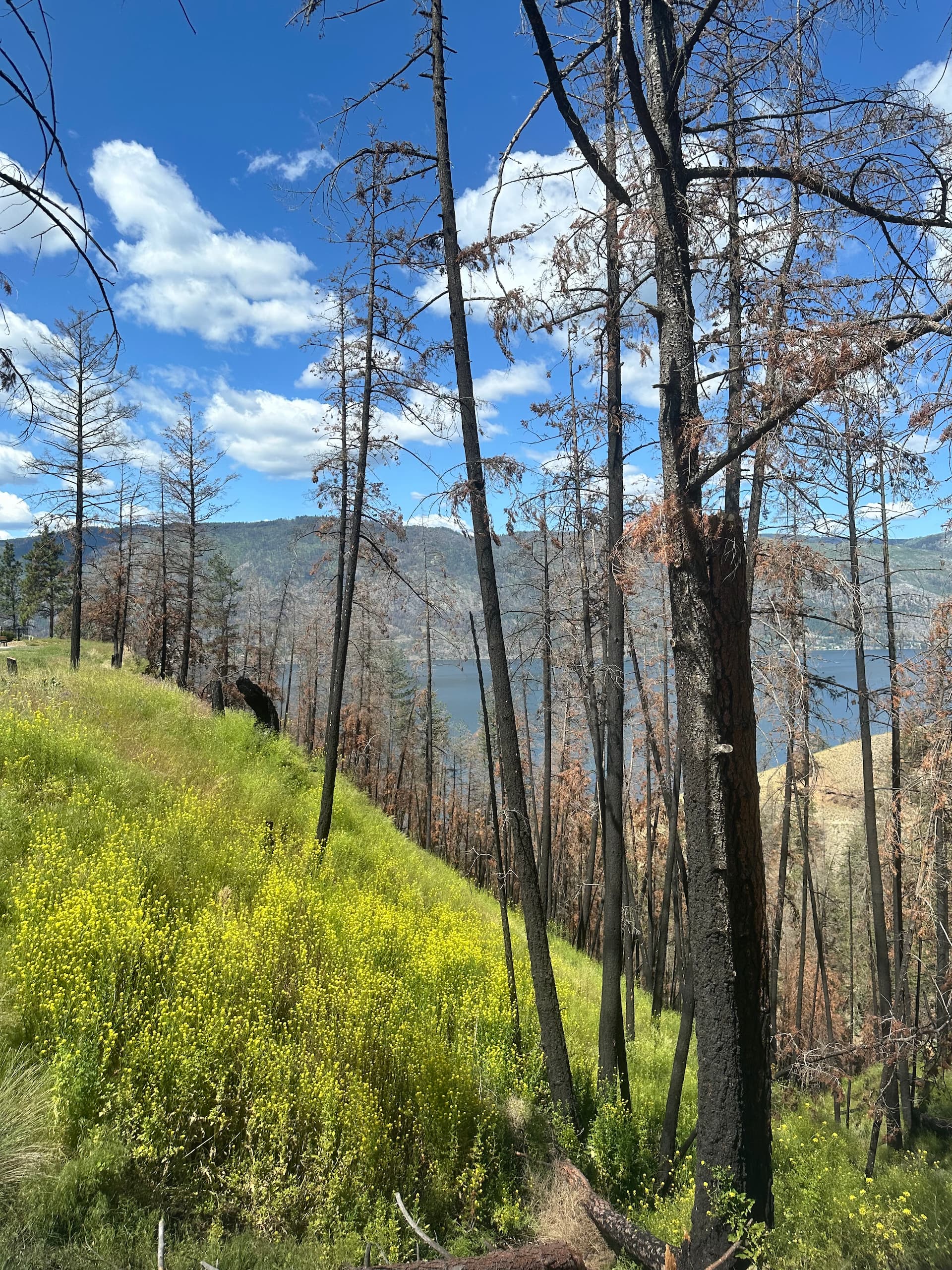
There is also a maintenance commitment. Hardware should be inspected over time as the tree grows and conditions change. Property owners sometimes hear “we can cable it” and assume the problem is solved permanently. It is better to think of support systems as one risk management tool among several, not a lifetime guarantee.
The removal decision, difficult but sometimes unavoidable
Tree Removal Services become necessary when the probability of failure is too high, the potential consequences are too severe, or mitigation options cannot reduce risk enough. That may involve a dead ash over a house, a leaning pine with root plate movement, a silver maple with advanced trunk decay, or a storm-split limb too large and compromised to retain.
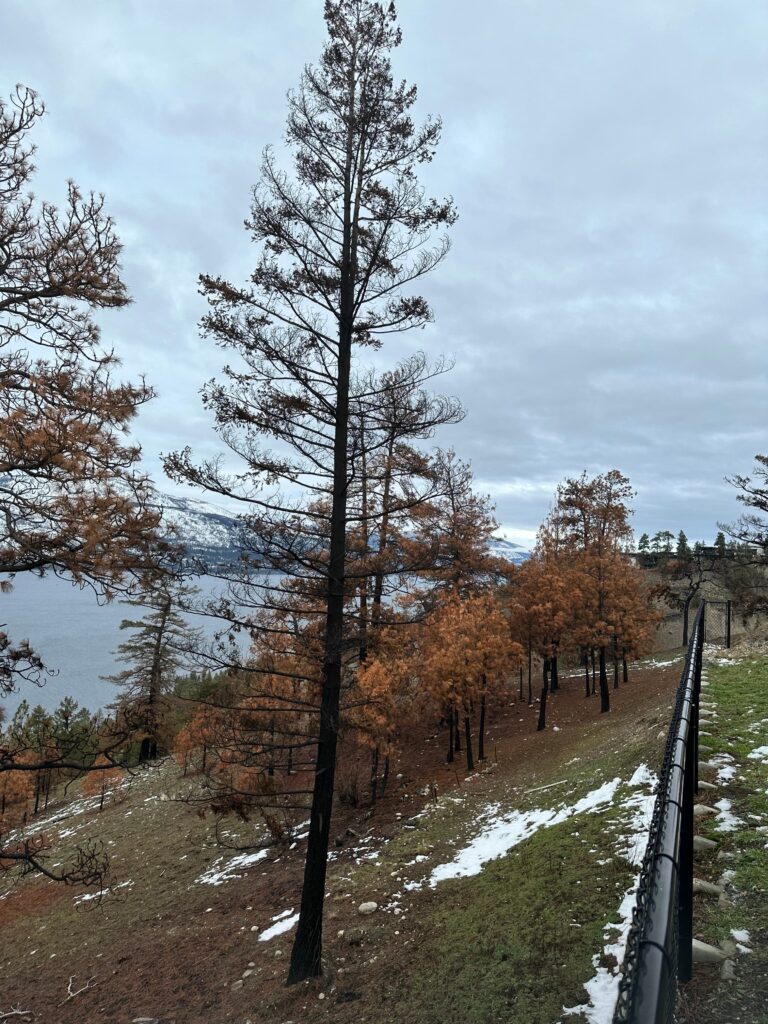
Removal is often emotionally difficult. Mature trees add shade, privacy, and character that cannot be replaced quickly. Many homeowners hesitate, hoping one more pruning cycle or one more season will get them by. That hesitation is understandable, but delay can become expensive fast. A planned removal usually costs far less than an emergency response paired with roof repairs, fence reconstruction, debris extraction, or insurance disputes.
There is also a practical difference between planned and emergency work. A scheduled removal allows time for traffic control, equipment placement, utility coordination if needed, and careful dismantling. Emergency Tree Services, by contrast, often occur in poor weather, low light, and unstable conditions. Crews may be working around energized lines, suspended limbs, or structures already damaged. The stakes are higher, and so is the complexity.
After removal, many sites need Stump Removal & Grinding to restore usability, prevent trip hazards, and prepare for replanting or hardscape repair. Some owners choose to leave the stump in less visible areas, but near walkways, lawns, and future planting beds, grinding is usually the more practical finish.
Common situations that raise risk around homes
Residential properties produce certain hazard patterns again and again. The trees may differ, but the story is familiar. A builder saved a few mature specimens close to the new house, then changed grade and compacted the root zone with heavy equipment. The trees survive the first few years and then begin declining. A homeowner tops a fast-growing shade tree to “make it safer,” and five years later the regrowth forms multiple weakly attached leaders. A decorative bed is installed with fill piled against the trunk flare, holding moisture against bark that should remain exposed.
These are not exotic failures. They are ordinary, preventable ones. The problem is that tree decline often lags behind the damage that caused it. By the time the tree starts dropping limbs or leaning, the construction trench or bad pruning job is old news.
Another overlooked case involves neighboring trees growing together for decades. When one is removed, the newly exposed tree suddenly faces wind it has never had to resist. That does not mean you should never remove a tree from a group. It does mean the remaining trees may need review, pruning, or monitoring after the microclimate changes.
Wildfire concerns change the conversation
In fire-prone regions, Wildfire Mitigation Tree Services add another layer to dangerous tree assessment. Here, hazard is not limited to mechanical failure. Trees can threaten property by acting as ladder fuels, dropping embers, or placing combustible canopy too close to roofs, decks, and outbuildings.
That does not mean stripping every lot bare. Effective wildfire mitigation is selective. Dead trees near structures often rise to the top of the list. Lower limbs may be pruned to reduce vertical fuel continuity. Dense clusters can be thinned to improve spacing. Trees overhanging chimneys, touching roofs, or crowding access routes may need heavier intervention. Species selection, slope, local codes, and defensible space recommendations all influence the plan.
A useful mitigation plan balances fire behavior, tree health, and long-term landscape function. Remove too little, and the property remains vulnerable. Remove too much, and you may increase erosion, heat stress, and wind exposure. This is another setting where a Certified Arborist Consultation pays off. The best result is not simply fewer trees. It is a safer, more durable landscape.
What homeowners can do between inspections
Most people do not need to become amateur arborists, but a few habits can help catch trouble early and avoid making it worse.
- Walk the property after major storms and look for new cracks, hanging limbs, or leaning
- Keep mulch away from direct contact with the trunk flare
- Avoid cutting roots during trenching, patio work, or driveway expansion without advice
- Do not top trees or allow unqualified crews to make large heading cuts
- Schedule reassessment when a tree near a target shows noticeable change
That last point matters more than people think. Trees deserve repeat evaluation after major site changes, prolonged drought, saturated seasons, lightning strikes, or visible decline. A tree assessed as acceptable three years ago may not be acceptable today if the site or structure has changed.
Cost, liability, and the value of acting early
Owners sometimes delay assessment because they fear the answer will be expensive. Sometimes it is. Large technical removals involving cranes, rigging, limited access, or proximity to structures can cost significantly more than straightforward work in open space. But the cost of inaction can be much higher.
If a hazardous tree fails and damages neighboring property, the legal and insurance questions can become messy fast. Much depends on location, prior notice, maintenance history, and local law, but one theme is common: documented neglect is harder to defend than an informed management decision. When a tree has visible defects and sits over a predictable target, ignoring it is rarely the smart gamble.
There is also the hidden cost of avoidable emergency work. A scheduled pruning visit to reduce end weight and remove deadwood might be a modest investment. Waiting until a large branch tears through a fence during a weekend storm changes the economics immediately. The same is true for timely removal of a declining tree before it becomes unstable enough to require more specialized, urgent work.
The best outcome is rarely dramatic
Most successful tree risk management never makes the news and never becomes an emergency. It looks like a quiet inspection after a wet winter, a measured pruning prescription for an overextended canopy, a decision to install support hardware in a valued tree, or a planned removal before the storm season starts. It looks like replacing a failing specimen with the right tree in the right space instead of trying to force a bad fit for another decade.
Dangerous Tree Assessment and Removal is, at its core, about judgment. Not every flawed tree should come down. Not every green tree should stay. The work asks for experience, restraint, and a clear-eyed view of consequences. Property owners are best served when they get honest recommendations, practical options, and work that matches the actual risk.
A tree can be one of the strongest assets on a property, cooling a roof, framing a yard, and adding real value for years. It can also become a serious liability when structural defects, poor siting, or neglect go unaddressed. Knowing the difference, and acting before failure decides for you, is what protects both property and people.
Name: Ace Tree Services Ltd.
Address: 4656 Wallace Hill Rd, Kelowna, BC V1W 4C2, Canada
Phone: 250-212-9593
Website: https://acetree.ca/
Email: [email protected]
Hours:
Sunday: Closed
Monday: 7:00 AM–5:00 PM
Tuesday: 7:00 AM–5:00 PM
Wednesday: 7:00 AM–5:00 PM
Thursday: 7:00 AM–5:00 PM
Friday: 7:00 AM–5:00 PM
Saturday: 7:00 AM–5:00 PM
Time zone: Pacific Time
Open-location code / Plus code: RHF8+8G Kelowna, British Columbia, Canada
Map/listing URL: https://www.google.com/maps/search/?api=1&query=Google&query_place_id=ChIJxRVIBx2LfVMRNRSkp6-IC0U
Embed iframe:
Socials:
https://www.facebook.com/p/Ace-Tree-Services-61585901931447/
Ace Tree Services Ltd. provides professional tree care from its Kelowna location on Wallace Hill Road.
The official website lists tree removal, stump removal and grinding, tree pruning and crown shaping, emergency tree services, certified arborist consultation, dangerous tree assessment and removal, tree cabling and bracing, and wildfire mitigation.
Ace Tree Services serves homeowners, businesses, and property owners in Kelowna and throughout the Okanagan Valley.
The company’s official site highlights ISA Certified Arborist support, local Okanagan experience, and fully insured tree service work.
Customers can contact Ace Tree Services for planned tree maintenance, high-risk removals, storm-related tree concerns, pruning, stump grinding, and arborist consultation needs.
The supplied public listing address is 4656 Wallace Hill Rd, Kelowna, BC V1W 4C2, near rural and residential service areas in southeast Kelowna.
For tree services in Kelowna and the Okanagan, call 250-212-9593, email [email protected], or visit https://acetree.ca/
The public map listing uses plus code RHF8+8G Kelowna, British Columbia, Canada and can help customers find Ace Tree Services Ltd. near Wallace Hill Road.
Popular Questions About Ace Tree Services Ltd.
What does Ace Tree Services Ltd. do?
Ace Tree Services Ltd. provides tree removal, stump removal and grinding, tree pruning and crown shaping, emergency tree service, certified arborist consultation, dangerous tree assessment and removal, tree cabling and bracing, and wildfire mitigation.
Where is Ace Tree Services Ltd. located?
Ace Tree Services Ltd. is listed at 4656 Wallace Hill Rd, Kelowna, BC V1W 4C2, Canada.
What phone number should customers call?
Customers can call Ace Tree Services Ltd. at 250-212-9593.
What is the email address for Ace Tree Services Ltd.?
The supplied email address is [email protected].
What are Ace Tree Services Ltd.’s hours?
The supplied listing hours show Monday through Saturday from 7:00 AM to 5:00 PM, with Sunday closed, Pacific Time. The official website lists 7:00 AM to 5:00 PM, Monday through Friday, so customers should confirm Saturday availability before booking.
Does Ace Tree Services Ltd. provide emergency tree service?
Yes. The official website lists emergency tree services, including emergency tree removal, dangerous tree assessment, emergency stabilization, and limb or branch cleanup.
Does Ace Tree Services Ltd. offer arborist consultations?
Yes. The official services page lists certified arborist consultation as one of the company’s Okanagan tree services.
Does Ace Tree Services Ltd. provide stump grinding?
Yes. The official services page lists stump removal and grinding as a service.
What areas does Ace Tree Services Ltd. serve?
The official website states that Ace Tree Services serves Kelowna and the Okanagan Valley.
How do I contact Ace Tree Services Ltd.?
Call 250-212-9593, email [email protected], visit https://acetree.ca/, or use the listed social profile: Facebook.
Landmarks Near Kelowna, BC
Wallace Hill Road: The road listed for Ace Tree Services Ltd. and a practical reference point for the company’s Kelowna location.
East Kelowna: A nearby rural and residential area where tree maintenance, pruning, removals, and wildfire mitigation can be important for property owners.
Myra-Bellevue Provincial Park: A major outdoor landmark southeast of Kelowna and a useful reference for the surrounding hillside and forested areas.
Gallagher’s Canyon: A nearby Kelowna community with residential properties, mature trees, and landscape maintenance needs.
Kettle Valley: A southeast Kelowna neighborhood with homes, parks, and landscaped properties.
Mission Creek Greenway: A well-known natural corridor in Kelowna and a local reference point for tree-lined recreation areas.
Orchard Park Shopping Centre: A major Kelowna retail landmark and citywide reference point.
Downtown Kelowna: A central business and residential district within Ace Tree Services’ broader Kelowna service area.
Okanagan Lake: A major regional landmark running through Kelowna and the surrounding Okanagan Valley.
Mission Creek Regional Park: A recognizable Kelowna park and natural landmark with extensive trees and trails.
Rutland: A large Kelowna community with residential and commercial properties that may need tree service support.
Glenmore: A Kelowna neighborhood with homes, parks, and established trees.
Lower Mission: A residential and lake-adjacent Kelowna area where pruning, tree health, and property safety can matter for homeowners.
Kelowna International Airport: A major transportation landmark north of central Kelowna.
West Kelowna: A nearby Okanagan community across the lake and a practical regional service reference.
For tree removal, stump grinding, pruning, crown shaping, emergency tree service, arborist consultation, dangerous tree assessment, cabling and bracing, or wildfire mitigation near these Kelowna and Okanagan landmarks, contact Ace Tree Services Ltd. at 250-212-9593, email [email protected], or visit https://acetree.ca/